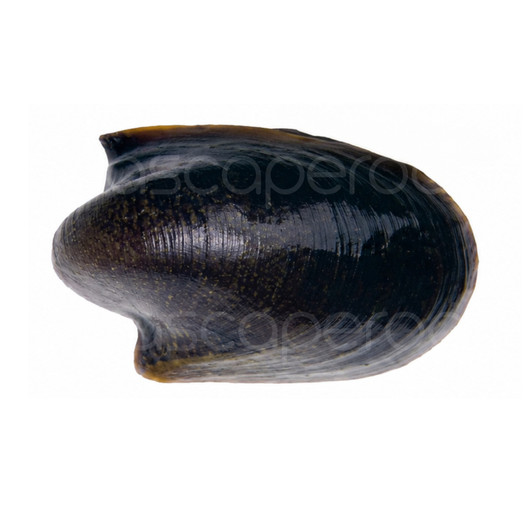
Striped Pumpkin Nerite Snail (Neritina sp.)
The Striped Pumpkin Nerite Snail is an attractive freshwater algae grazer known for its warm pumpkin-orange shell and contrasting dark striped markings. Its bold pattern makes it an eye-catching addition to planted aquariums while providing the practical algae-grazing behaviour that makes nerite snails so popular with aquarists.
These peaceful snails spend much of their time moving across aquarium glass, stone, driftwood, and other hard surfaces in search of naturally occurring algae and biofilm. Their compact size and non-aggressive nature make them particularly well suited to planted aquariums, aquascapes, shrimp tanks, and peaceful freshwater communities.
Bold Pattern, Natural Algae Grazing Striped Pumpkin Nerites combine a beautiful orange-toned shell with distinctive darker striping and the natural surface-grazing behaviour of nerite snails. Each individual displays its own unique variation in colour and pattern.
Why Choose Striped Pumpkin Nerite Snails?
- Natural algae grazer: Continuously grazes algae and biofilm from aquarium surfaces.
- Distinctive striped shell: Warm pumpkin-orange tones are contrasted by naturally variable darker markings and stripes.
- Peaceful temperament: Suitable for planted aquariums and peaceful freshwater communities.
- Plant friendly: An excellent choice for planted tanks without the destructive plant-eating behaviour associated with some larger snail species.
- Compact size: Ideal for aquascapes and smaller planted aquariums.
- No freshwater population explosion: Nerite larvae cannot complete their development under normal freshwater aquarium conditions.
Pumpkin Colour with Distinctive Striping
The defining characteristic of the Striped Pumpkin Nerite is its combination of warm orange to pumpkin-coloured shell tones with contrasting darker stripes or markings. Against green aquatic plants, dark aquasoil, driftwood, and stone, their colourful shells can stand out beautifully.
As with all naturally patterned livestock, no two snails will look exactly alike. The width, direction, spacing, intensity, and number of stripes can vary considerably between individuals. Shell colour, size, and other markings will also naturally vary.
Natural Algae & Biofilm Grazer
Striped Pumpkin Nerites spend much of the day searching aquarium surfaces for food. They can commonly be seen grazing across aquarium glass, rocks, driftwood, and other hard surfaces, consuming naturally occurring algae and biofilm as they move.
They are especially useful in established planted aquariums where natural grazing surfaces are already present. Nerite snails should be considered part of a balanced aquarium clean-up crew rather than a replacement for normal aquarium maintenance.
Care & Aquarium Requirements
Difficulty: Easy
Temperature: Approximately 20–26°C
pH: Approximately 6.5–8.0
Adult Size: Approximately 1–2 cm
Diet: Algae and naturally occurring biofilm; supplemental algae-based foods can be offered when natural food is limited.
Temperament: Peaceful
A mature, cycled aquarium with stable water conditions is recommended. As with other snails, sufficient mineral availability is important for maintaining healthy shell growth. Persistently acidic or extremely soft water can gradually contribute to shell erosion.
Feeding
In an established aquarium, Striped Pumpkin Nerites will spend much of their time grazing naturally occurring algae and biofilm. This natural food source is one of the reasons a mature aquarium is preferable to a newly established or exceptionally sterile setup.
If naturally occurring algae becomes limited, suitable algae-based foods can be offered as supplemental nutrition. Providing an appropriate mineral balance is also beneficial for maintaining shell condition over time.
Important – Copper & Invertebrates Snails are sensitive to copper and certain aquarium medications. Always confirm that medications, treatments, and other additives are suitable for snails and aquatic invertebrates before use.
Will Striped Pumpkin Nerites Reproduce in Freshwater?
Nerite snails are popular for planted aquariums because they will not establish a reproducing population under normal freshwater aquarium conditions. Their larvae require different conditions to successfully complete development.
Individual nerites may still deposit small, hard, pale-coloured egg capsules on aquarium glass, stone, driftwood, and other hard surfaces. These eggs may remain visible for some time, but they will not develop into a population of baby nerites in a normal freshwater aquarium.
Product Details
| Characteristic |
Details |
| Common Name |
Striped Pumpkin Nerite Snail |
| Scientific Name |
Neritina sp. |
| Difficulty |
Easy |
| Approx. Adult Size |
1–2 cm |
| Temperature |
20–26°C |
| pH |
6.5–8.0 |
| Temperament |
Peaceful |
| Diet |
Algae & Biofilm Grazer |
| Shell Appearance |
Pumpkin-Orange with Naturally Variable Dark Striping |
| Freshwater Reproduction |
Does Not Establish a Reproducing Population |
| Aquarium Type |
Freshwater / Planted Aquarium |
Natural Livestock Variation Striped Pumpkin Nerites are living animals with naturally variable shells. Colour, stripe pattern, stripe thickness, markings, shell condition, and size will vary between individuals. The snail you receive will not be identical to the specimens shown in the product photographs.
Aquascaper's Tip The orange and dark striped shell of the Striped Pumpkin Nerite creates excellent contrast against green plants, dark aquasoil, and natural stone. Allow some algae and biofilm to remain on less-visible surfaces so the snails have areas for natural grazing.
Add distinctive shell pattern and natural algae-grazing activity to your aquarium with the Striped Pumpkin Nerite Snail — available in Canada at Aquascaperoom.