Bucephalandra 'Alamanda'
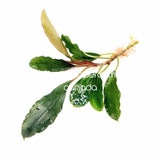
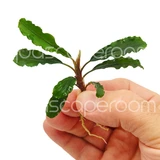
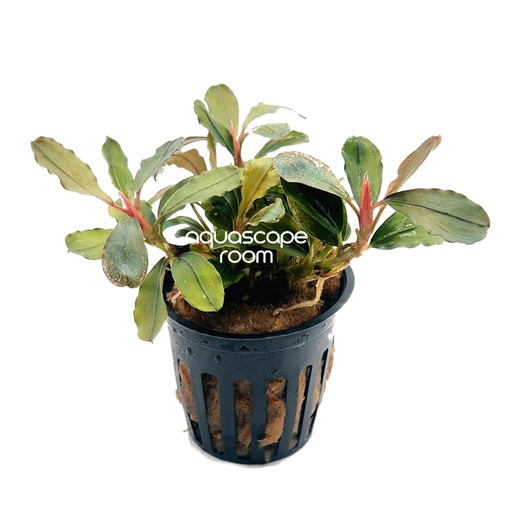
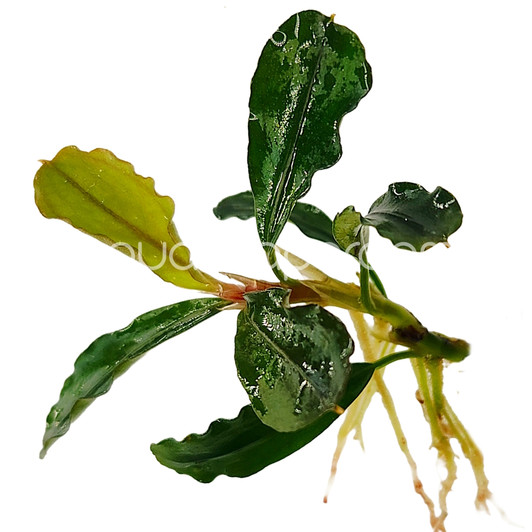
Bucephalandra 'Alamanda' is an attractive Bucephalandra variety featuring elongated, gently wavy leaves and rich green to darker olive tones. Its distinctive leaf shape gives it a more slender, flowing appearance than many broad-leaved Buce varieties, making it an excellent accent plant for freshwater aquascapes.
Like other Bucephalandra, Alamanda is a slow-growing rhizome plant and epiphyte. It is ideally attached to aquarium rocks or driftwood, where its roots can gradually grip the hardscape while the rhizome remains exposed.
Its compact growth and unique foliage make Bucephalandra Alamanda particularly useful for nano aquariums, shrimp tanks, Nature Aquarium layouts, and detailed hardscape planting. It can be grown successfully in both low-tech and high-tech planted aquariums.
Elegant, Elongated Buce Foliage Bucephalandra 'Alamanda' features elongated leaves with gently wavy margins, creating beautiful texture and a distinctive appearance when attached to aquarium rocks and driftwood.
Why Choose Bucephalandra 'Alamanda'?
- Elongated foliage with attractive wavy leaf margins.
- Rich green to darker olive coloration.
- Excellent for attaching to aquarium rocks and driftwood.
- Compact growth ideal for detailed aquascaping.
- Suitable for nano aquariums and freshwater shrimp tanks.
- Low to moderate lighting requirements.
- Injected CO₂ is optional.
- Slow growing with minimal trimming required.
Care & Placement
Placement: Foreground to midground, preferably attached to aquarium hardscape.
Lighting: Low to moderate lighting.
CO₂: Optional. Supplemental CO₂ can encourage stronger growth but is not required.
Substrate: Not required when attached to rocks or driftwood.
Fertilization: Benefits from consistent water-column fertilization.
Maintenance: Slow growing and low maintenance. Older or damaged leaves can be removed near their base when necessary.
Plant Details
| Specification |
Details |
| Name |
Bucephalandra 'Alamanda' |
| Plant Type |
Rhizome / Epiphyte |
| Growth Rate |
Slow |
| Foliage |
Elongated leaves with gently wavy margins |
| Colour |
Green / Deep Green / Olive Tones |
| Placement |
Foreground / Midground / Hardscape |
| Lighting |
Low to Moderate |
| CO₂ |
Optional |
| Propagation |
Rhizome Division |
| Difficulty |
Easy to Moderate |
Do Not Bury the Rhizome Bucephalandra grows from a horizontal rhizome. Keep the rhizome exposed to the aquarium water rather than burying it beneath the substrate. The roots may be positioned in substrate if desired, but the rhizome itself should remain exposed.
How to Plant Bucephalandra 'Alamanda'
Bucephalandra Alamanda is ideally attached directly to aquarium stone or driftwood. Position the rhizome against the hardscape and secure it using a small amount of aquarium-safe cyanoacrylate gel glue, thread, or fishing line.
As the plant becomes established, its roots can naturally grip the hardscape. Alamanda can be positioned within rock crevices, along driftwood branches, or around the base of larger hardscape features to create the appearance of naturally established vegetation.
Colour & Leaf Appearance
Bucephalandra foliage can vary in appearance depending on leaf age, lighting, nutrients, CO₂, and growing conditions. Alamanda may display different shades of green and olive as new leaves develop and mature.
New aquarium growth may also look somewhat different from leaves produced under nursery conditions. Allow the plant time to acclimate and develop new submerged foliage before judging its mature appearance.
Aquascaping with Bucephalandra Alamanda
The elongated leaves of Alamanda make it useful for creating contrast with smaller, rounder-leaved Bucephalandra varieties. Mixing different leaf shapes throughout the same hardscape can produce a much more natural and detailed appearance.
Try positioning Alamanda around the base of driftwood, between stones, or slightly behind smaller Buce varieties. Its narrow foliage can add visual movement without occupying the space required by larger Anubias or Java Fern varieties.
Does Bucephalandra Alamanda Need CO₂?
Injected CO₂ is not required. Bucephalandra Alamanda can be grown successfully in many low-tech planted aquariums when provided with stable conditions, appropriate lighting, and adequate nutrients.
Supplemental CO₂ can encourage stronger growth, but Bucephalandra is naturally slow growing. Consistency and patience are generally more important than intense lighting or aggressive fertilization.
Aquascaper's Tip Combine Alamanda with Buce varieties that have smaller or rounder leaves. The difference in foliage shape and texture can make a relatively small section of hardscape look considerably more detailed and naturally established.
Available in Canada at Aquascaperoom — premium Bucephalandra, freshwater aquarium plants, and professional aquascaping supplies.